Corporate Recognition · November 28, 2026
What Should a Leadership Award Recognize? A Buyer’s Guide
Choose leadership recognition awards that honor mentorship, sound judgment, integrity, team development, and meaningful organizational impact—not just seniority or job title.
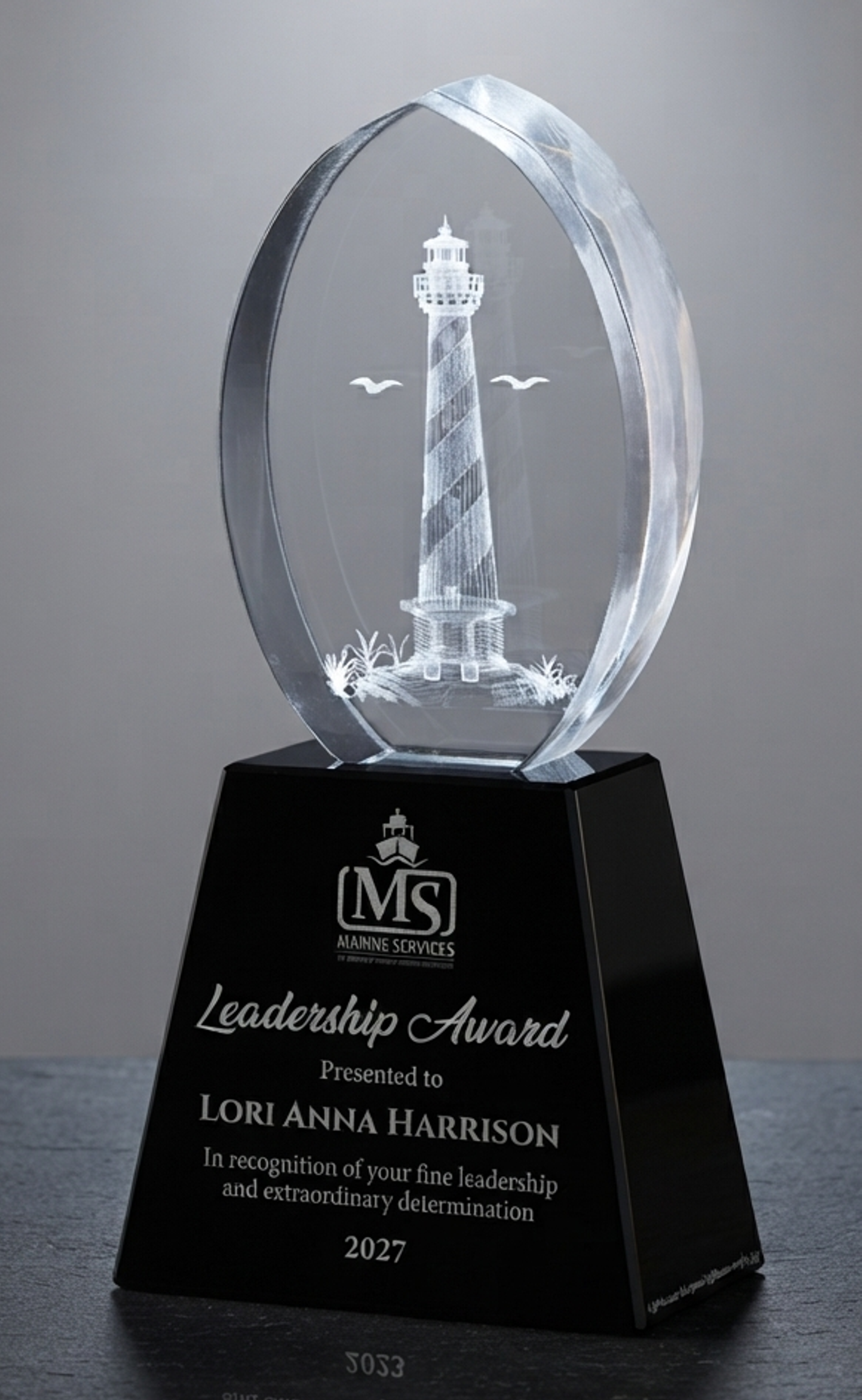
A leadership award is most meaningful when it explains what someone did, not simply the title they hold. A senior role may give a person authority, but the recognition should describe how they used that responsibility: developing people, guiding a difficult decision, building trust, leading change, or helping a team deliver an important result.
If you are choosing a leadership recognition award for an executive, manager, supervisor, mentor, or emerging leader, begin with the contribution and the evidence behind it. Then select a design and inscription that make the recognition specific. This guide explains what to recognize, how to set fair criteria, how to choose an appropriate crystal award, and what to prepare before requesting a quote.
Start with the contribution, not the job title
A leadership award should not be an automatic reward for seniority. A long title, a large team, or a high-profile position does not by itself explain why a person deserves a particular honor.
Instead, ask what changed because of the recipient's leadership. Did people become more capable? Did a difficult transition become clearer? Did the person help a team resolve a problem, make a responsible decision, or work across departments? Can colleagues describe the contribution in a concrete example?
That distinction also helps keep leadership recognition separate from other award programs. A service award marks a period of commitment. A sales award may recognize a defined commercial result. A leadership award should explain the influence, judgment, or example that helped other people or the organization move forward.
For broader workplace contribution, see BCA's Employee Appreciation Awards. If the recognition is specifically for a career milestone or retirement, the retirement award wording guide covers that different occasion.
Six contributions worth recognizing in a leadership award
The right categories depend on your organization. These six areas offer a practical starting point. Choose only the ones that reflect the work your leaders are expected to do.
1. Developing people and building future leaders
Some of the strongest leadership contributions are visible in the growth of other people. A manager may coach a new colleague, create opportunities for team members to take responsibility, share knowledge, or help someone prepare for a more challenging role.
Recognize specific actions rather than a general claim that the recipient is a good mentor. For example, describe how they supported professional development, made time for coaching, or helped a colleague build confidence and capability.
Possible recognition line: “For your commitment to mentoring others and helping the next generation of leaders grow.”
2. Providing direction through change
A leader may be asked to guide a team through a reorganization, a new process, a major project, or a period of uncertainty. The contribution is not simply announcing a decision. It may include explaining the purpose, listening to concerns, setting priorities, and helping people understand what happens next.
If you recognize this kind of leadership, identify the change and the recipient's role in helping people navigate it. Avoid vague wording such as “for leading change” when a more specific description is possible.
Possible recognition line: “In recognition of your steady guidance and clear direction through a period of change.”
3. Making thoughtful decisions and taking responsibility
Leadership often involves decisions with competing priorities. A recipient may have balanced customer needs, team capacity, quality, cost, timing, or long-term consequences.
An award can recognize sound judgment when the decision and its impact can be explained. Do not reward confidence alone. Consider whether the leader sought relevant input, communicated the reasoning, accepted accountability, and followed through.
Possible recognition line: “For thoughtful judgment, accountability, and decisions that moved our team forward.”
4. Building trust and setting an example
Trust is built through consistent behavior. Leaders may earn it by communicating honestly, treating people fairly, acknowledging mistakes, keeping commitments, and making it possible for colleagues to raise concerns.
For this category, use examples rather than personality labels. A nomination should explain what the person did and how that behavior affected the team or working relationship.
Possible recognition line: “For leading with integrity and earning the trust of colleagues through your actions.”
5. Bringing teams together
Some results depend on people working across functions, locations, or levels of an organization. A leader may help departments share information, resolve a handoff problem, align priorities, or work toward a common goal.
A cross-functional leadership award should identify the collaboration and the outcome. It should not imply that one person achieved a result that depended on many colleagues. Where the work was genuinely shared, consider whether a team award is more accurate.
Possible recognition line: “For bringing people together and turning shared effort into meaningful progress.”
6. Improving the experience of customers or the wider community
Some leaders make a difference by improving how an organization serves customers, partners, or its community. This may involve listening to feedback, resolving a recurring problem, improving communication, or helping a team deliver a more dependable experience.
Use evidence appropriate to the work. A customer comment may provide context, but it should not be the only measure if the contribution involved a broader team or longer-term improvement.
Possible recognition line: “In appreciation of your leadership and commitment to making a lasting difference.”
How to set fair leadership award criteria
Before inviting nominations, write down what the award is intended to recognize. Clear criteria make the process easier to explain and reduce the risk that the award becomes a popularity contest.
A useful framework includes:
- Contribution: What leadership behavior or decision is eligible for recognition?
- Evidence: What specific example, outcome, feedback, or documented improvement can support the nomination?
- Scope: Who can be nominated—executives, managers, supervisors, project leads, emerging leaders, or people in other roles?
- Time period: Is the award for a recent achievement, sustained leadership, or a defined project?
- Review: Who evaluates nominations, and how will conflicts of interest be handled?
- Communication: How will the organization explain why the recipient was selected?
Keep the criteria relevant to the role. A frontline supervisor and a company executive may demonstrate leadership in different ways. Fairness does not require identical examples; it requires a clear standard and a genuine opportunity for different kinds of contribution to be recognized.
Avoid relying only on visibility, popularity, revenue, or the size of a person's team. Those factors may provide context, but they do not necessarily show how someone led. Ask nominators to describe an action, the people or process affected, and why the contribution mattered.
For a structured performance program, BCA's sales award categories guide offers a separate example of defining transparent criteria before choosing winners.
Individual leadership award or team recognition?
Choose the format that reflects how the achievement happened.
Use an individual award when the contribution is distinct
An individual award works when the recipient's decisions, mentorship, or example can be described accurately. The inscription should name the contribution without suggesting that the person worked alone if the outcome depended on others.
Use a team award when leadership was shared
A leadership team, project group, or cross-functional team may deserve recognition when the result depended on shared planning and accountability. Confirm the official team name and decide where the award will be displayed.
Consider a coordinated set for several leaders
If several people are being recognized at the same event, a consistent design family can make the presentation feel cohesive. The inscriptions can still explain each person's distinct contribution. Confirm the quantity and personalization differences before finalizing the brief.
Choose a crystal design that supports the message
The design should reinforce the reason for recognition. A formal geometric award may suit an executive presentation, while a symbolic form can make the message more memorable when the symbol genuinely fits the recipient's contribution.
A lighthouse is one possible leadership motif. It can suggest guidance, steadiness, and helping others navigate uncertainty. BCA's collection archive includes lighthouse designs within its nautical and ocean-themed crystal imagery. Explore the existing crystal collections to see whether that direction suits the occasion.
A symbol should not be chosen just because it looks impressive. Consider the recipient, the story behind the award, the display setting, and how much space is needed for the inscription. If the right symbol is not represented in the current collection, the Custom Crystal Awards page explains how to start a design discussion with a sketch, logo, reference object, or concept.
What should you engrave on a leadership award?
A strong inscription is specific, concise, and easy to read. It usually includes the award title, recipient's name, a short statement of the contribution, the presenting organization, and the year or occasion where relevant.
Here are examples to adapt. Replace the bracketed details with verified information and keep the final wording appropriate to the recipient.
Leadership Excellence Award
“Presented to [Name]
In recognition of your vision, judgment, and lasting contribution to [Organization]
[Year]”
Mentorship and Development Award
“Presented to [Name]
For investing in others and helping colleagues reach their potential
[Organization] · [Year]”
Leading Through Change Award
“Presented to [Name]
With appreciation for your steady guidance and leadership through [Initiative]
[Organization] · [Year]”
Integrity in Leadership Award
“Presented to [Name]
For leading with integrity, accountability, and respect
[Organization] · [Year]”
Team Leadership Award
“Presented to [Name]
For bringing people together and helping our team achieve [Specific Result]
[Organization] · [Year]”
Emerging Leader Award
“Presented to [Name]
In recognition of initiative, growth, and the positive example you set
[Organization] · [Year]”
Avoid filling the available space simply because it is there. A short, well-organized message is often easier to read than a long paragraph. For more detail on balancing text, logos, and layout, see how to personalize a crystal award without overcrowding the design.
Prepare the buyer brief before requesting a quote
A clear brief helps the supplier understand the recognition and review the appropriate design direction. Gather these details before you inquire:
- The occasion and the contribution being recognized.
- The recipient's approved name and title.
- The award title and exact inscription.
- The organization logo and any brand requirements.
- The quantity and whether each award needs different wording.
- The presentation date and delivery destination.
- A reference image or sketch if you have a preferred symbol or custom concept.
- The person responsible for checking and approving the final artwork.
Use one verified source for names and wording. Check spelling, capitalization, titles, dates, and punctuation before the artwork is approved. If the award includes a logo, use the best-quality original file available.
For a broader comparison of design, personalization, and quote details, use BCA's crystal award quote comparison checklist. For engraving and artwork preparation, see the custom crystal artwork preparation guide.
What to ask your crystal award supplier
Before placing an order, make sure you understand the selected design and the steps involved. Ask the supplier:
- Which existing designs suit the recognition and inscription?
- What personalization options are available for the selected piece?
- Can the proposed logo and wording be reviewed at the intended size?
- What information is needed to prepare the artwork?
- How will the final details be checked before production?
- What quantity, production, and delivery details should be confirmed for this order?
Best Crystal Awards describes its work as factory-direct crystal production. Peter Johansson has operated his own production facility for more than 30 years and personally trained every artisan. Each award is individually produced, engraved, and inspected. The company also states that it accepts orders without a minimum quantity.
Those are useful facts when evaluating the maker. The specific design, personalization, price, and schedule still need to be reviewed and confirmed for your project. No general statement should be treated as a guarantee for a particular order.
Frequently asked questions about leadership awards
Who should receive a leadership recognition award?
A recipient may be an executive, manager, supervisor, project lead, mentor, or emerging leader. The important question is whether the person can be recognized for a specific contribution that fits the award's published criteria.
What is the difference between a leadership award and an employee appreciation award?
Employee appreciation can recognize many kinds of contribution, teamwork, or everyday effort. A leadership award focuses on how someone guides, develops, supports, or influences other people and helps a team or organization move forward.
Should a leadership award be based on seniority?
Not automatically. Seniority may be relevant to a particular program, but leadership recognition should explain the behavior, decision, or contribution being honored. A person does not need the most senior title to demonstrate meaningful leadership.
What should a leadership award inscription say?
Name the recipient, identify the leadership contribution, and include the organization and year if useful. A short statement about mentorship, integrity, guidance, team development, or a specific initiative is more informative than a generic phrase alone.
Is a lighthouse design appropriate for a leadership award?
It can be, especially when the recognition is about guidance, direction, or helping others through change. The symbol should fit the recipient's story; a geometric or custom design may be more appropriate for a different kind of achievement.
Can a leadership award be personalized with a company logo?
Share the logo and exact inscription with the supplier. The available personalization and layout depend on the selected design, so review the proposed artwork before the order is finalized.
Can I order one leadership award or a small number?
Best Crystal Awards states that it has no minimum order requirement. Share the quantity and design direction so the team can review the specific project.
Recognize the leadership people remember
The most meaningful leadership award does more than announce a winner. It tells colleagues what the person did, why it mattered, and what the organization values in the way people lead.
Start with a specific contribution, set criteria people can understand, and choose a design that supports the message. If you are planning an executive presentation, a leadership recognition event, or a custom crystal tribute, explore Corporate Recognition Awards or contact Best Crystal Awards with your occasion, quantity, wording, and target date.
Made for meaningful recognition
Ready to make an achievement memorable?
Share your event, design direction and timeline. Our team can help you explore a fitting crystal award.
Discuss your award project →